


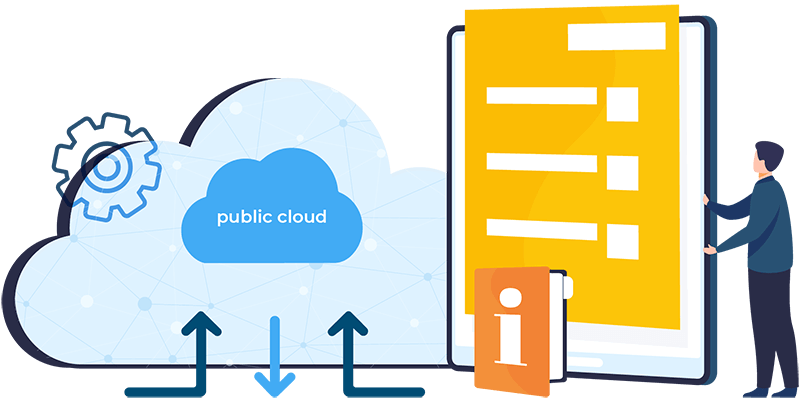
The complex and often daunting journey to the public cloud is made possible by a diverse and sophisticated portfolio of Public Cloud Migration Solutions. These are not single products but are integrated offerings of services and tools designed to address the specific challenges of each phase of the migration process. From the initial strategic planning to the hands-on technical execution and the long-term management of the new environment, these solutions provide a structured and proven playbook for a successful cloud transformation. They are delivered by a combination of consulting firms, system integrators, software vendors, and the cloud providers themselves. Understanding this modern IT playbook is key to appreciating how organizations can de-risk their cloud journey, accelerate their time-to-value, and ensure that their migration delivers on its promised benefits of agility, scalability, and innovation.
One of the most critical and foundational solutions is the Cloud Readiness Assessment and Migration Planning service. A successful migration does not start with moving servers; it starts with a detailed plan. This solution involves a deep analysis of an organization's existing application portfolio, infrastructure, and operational processes. Consultants and specialized discovery tools are used to create a comprehensive inventory of all applications and their complex interdependencies. Each application is then evaluated to determine the best migration strategy (the "6 R's" - Rehost, Replatform, Refactor, etc.). This phase culminates in the creation of a detailed migration roadmap and a comprehensive business case that outlines the expected costs, benefits, and risks of the project. This upfront strategic planning solution is absolutely essential for avoiding common pitfalls and ensuring the migration project is aligned with the overall business goals.
The second major category of solutions is focused on the Migration Execution itself. This is where the "heavy lifting" of moving the applications and data happens. This solution is typically delivered by a team of certified cloud engineers from a system integration partner. They use a combination of the cloud provider's native migration tools (such as AWS Server Migration Service or Azure Migrate) and specialized third-party migration software. The solution involves setting up the "landing zone" or foundational environment in the target cloud, and then executing the migration of applications in carefully planned waves. This can involve anything from simple "lift-and-shift" of virtual machines to complex database migrations and the complete re-architecting of applications to be cloud-native. Rigorous testing is a key part of this solution to ensure that the migrated applications perform as expected in their new cloud environment.
A third, and increasingly important, solution is Managed Cloud Services for the post-migration environment. Migrating to the cloud is not the end of the journey; it is the beginning of a new operational model. Managing a dynamic, large-scale cloud environment requires a different set of skills and tools than managing a traditional data center. A Managed Cloud Service solution involves an organization outsourcing the day-to-day operation, monitoring, security, and cost optimization of their cloud infrastructure to a specialized Managed Service Provider (MSP). Reaching at a CAGR of 10.7% During the Forecast Period 2025 - 2035, the Public Cloud Migration Market Size is Set to Grow from USD 147.23 Billion to 406.87 Billion by 2035. This solution is a major driver of this growth, as it allows businesses to benefit from the cloud without having to build a large, expensive internal cloud operations team.
Explore Our Latest Trending Reports:

 English
 Arabic
 French
 Spanish
 Portuguese
 Deutsch
 Turkish
 Dutch
Dutch
 Russian
 Romaian
 Portuguese (Brazil)
 Tiếng Việt