
In the heart of Southeast Asia's digital revolution, a critical infrastructure is being rapidly built out to power the nation's growing online economy. A Philippines Data Center is the physical facility that houses the servers, storage systems, and networking equipment necessary to store, process, and distribute the vast amounts of data generated by businesses and consumers. These secure, high-tech buildings are the backbone of the digital age. The Philippines is emerging as a key strategic location for this infrastructure, with market analyses projecting a surge in value from USD 5.26 billion in 2025 to an impressive USD 13.75 billion by 2034. This expansion, advancing at a strong 11.25% CAGR, highlights the country's pivotal role in the region's digital future.
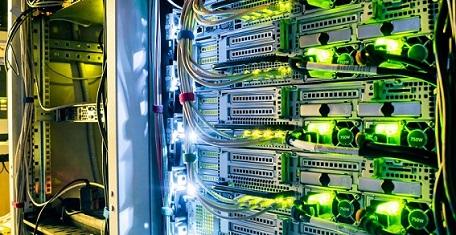
At its core, a data center is much more than just a warehouse for computers. It is a highly engineered environment designed to ensure the 24/7 reliability and security of critical IT infrastructure. This involves several key components. The facility itself is a secure building with controlled access. Inside, it features robust power infrastructure, including uninterruptible power supplies (UPS) and backup generators, to protect against power outages. A sophisticated cooling system, comprising computer room air conditioning (CRAC) units, is essential to dissipate the immense heat generated by the thousands of servers. And a high-speed, redundant network infrastructure provides the connectivity to the outside world. These elements work in concert to create a resilient and high-performance environment for digital services.
There are several different types of data centers that serve different needs. Enterprise data centers are privately owned and operated by a single organization for its own internal IT needs. Colocation data centers are facilities where a company can rent space, power, and cooling for its own servers. This allows businesses to benefit from a high-quality data center environment without the massive capital expense of building their own. The largest and fastest-growing category is hyperscale data centers. These are massive facilities, often spanning hundreds of thousands of square feet, that are built and operated by major cloud service providers like Amazon Web Services (AWS), Microsoft Azure, and Google Cloud to power their global cloud platforms.
The importance of data centers in the Philippines cannot be overstated. They are the essential infrastructure that enables the country's booming e-commerce market, supports the massive Business Process Outsourcing (BPO) industry, and delivers streaming video, social media, and online gaming to millions of Filipinos. They provide the low-latency connectivity that is critical for financial services and other real-time applications. As the Philippine economy continues to digitize and as more businesses migrate their operations to the cloud, the demand for high-quality, reliable, and scalable data center capacity in the country will only continue to grow, making it a critical foundation for national economic development.
Top Performing Market Insight Reports:

 English
 Arabic
 French
 Spanish
 Portuguese
 Turkish
 Dutch
Dutch
 Italiano
 Russian
 Romaian
 Portuguese (Brazil)
 Tiếng Việt